


Your future as a doctor starts in Germany
Join an internationally respected medical education system with direct access to specialist training, competitive salaries, and long-term career opportunities.

Shape your future as a medical professional – right here in Germany.
After completing your studies at UMFST-UMCH, you have the unique opportunity to undertake specialist medical training within one of the world's most respected healthcare systems.
Germany offers high-quality medical education alongside structured residency training, providing excellent career prospects in a safe, modern, multicultural environment.
This means excellent job security, stable working conditions and diverse career options once you have completed your Facharztausbildung. You can choose to pursue an academic career, become a senior consultant, or set up your own medical practice.
With a German medical specialisation, you will also be highly employable worldwide.
Advantages for UMFST-UMCH graduates
Our masterfully integrated medical programme provides you with direct, fast-track access to the German residency pipeline.
Your path to becoming a specialist doctor in Germany
A visual roadmap from international student status to becoming an accredited, fully salaried medical consultant.
UMFST-UMCH medical program
Year 1–6 Undergraduate Curriculum
- EU-recognized medical degree (MD / Dr. med.)
- Clinical training at German teaching hospitals integrated directly within the curriculum
- German C1 Level language program embedded to ensure rapid hospital communication
Apply for Approbation
Automatic license as a doctor can be obtained immediately after graduation – no licensing exam required and language skills required
Specialist medical training
Residency (Facharztausbildung)
- Paid position: Full assistant physician contract with attractive regular salaries of approx. €68,000–71,000 / year
- 4–6 years of modular training, structured depending entirely on chosen medical specialty
- Freedom to choose: Choose your own specialty and apply directly to hospitals – with no national restrictions
- Permanent residency in Germany within 21 months, in safe and international cities like Hamburg
- Rotations held at approved hospitals, world-class clinics, and certified medical practices
- EU-wide automatic recognition allows for the free choice of where to work within the EU
Career opportunities in Germany & worldwide
Easily establish an independent private practice, rise to the position of clinical director, or explore global consultation pathways.
Residency Permit
Residency permit for international doctors living and working in Germany

To be licensed after 6 years, simply provide a C1 language proficiency certificate and pass a medical language proficiency test. This is your streamlined path to success in the heart of Europe's medical field!Our free German course will help you reach a B2 level in two years and prepare you for C1, with a focus on medical terminology. While studying, you can receive job offers through our direct partnerships with over 30 UMFST-UMCH teaching hospitals. Clinical training begins in the third year, providing real-world experience from early on.

Time spent in Germany on a student visa (student residence permit) generally only counts partially towards the time required for permanent residency.In order to apply for a permanent residence permit (Niederlassungserlaubnis), you must have lived in Germany for at least 5 years with a valid residence permit. You will also need to demonstrate sufficient language skills (usually B2 level German), prove financial stability and show evidence of having contributed to the social security system (pension) for a certain period.Therefore, after completing their studies at UMFST. UMCH, if a student achieves B1 German proficiency and holds a Blue Card for 21 months, they would typically only require an additional 21 months of residency.
Study Medicine. Build Your Future in Germany.
Benefit from internationally recognized qualifications, excellent career prospects, and a direct pathway to specialist training.
Supportive and multicultural environment
At UMCH and throughout Germany, you'll find an open, international atmosphere. Over 15% of doctors in Germany come from abroad, and many hospitals offer structured integration and language programs to support international graduates. You will be part of a diverse medical community that values collaboration, cultural exchange, and continuous learning.
Freedom of specialization
In Germany, physicians can freely choose their medical specialty and training institution. Unlike in many other European countries, there is no centralized allocation system or national ranking procedure. This means graduates can decide independently where and in which field they want to complete their residency.
Internationally respected medical training
Germany's specialist training programs are highly regarded across Europe and worldwide. The German "Facharzt" title is automatically recognized in all EU and EEA countries under EU Directive 2005/36/EC, and widely respected beyond Europe — including in Canada, Australia, the Middle East, and Asia. A residency in Germany means gaining clinical expertise, evidence-based knowledge, and hands-on experience at international standards.
Paid, practical, and prestigious
Unlike in many other countries, medical residency in Germany is a paid position. You will work as an assistant physician (Resident) in hospitals or teaching clinics and receive a monthly salary of approx. €4,500–6,000, depending on experience and region. This allows you to build your medical career without tuition fees or financial burden, while gaining full-time clinical experience from day one.
World-class healthcare environment
Germany has one of Europe's best healthcare systems, with cutting-edge medical technology, advanced infrastructure and a strong focus on patient-centred care. During your residency, you will receive training from experienced specialists in both academic and community hospital settings, and have the opportunity to engage in modern clinical training and research.

Start of the specialist training (residency)
After receiving your Approbation, you can apply for residency positions (Assistenzarzt) in German hospitals. The specialist training (Facharztausbildung) takes 5-6 years, depending on the chosen specialty.
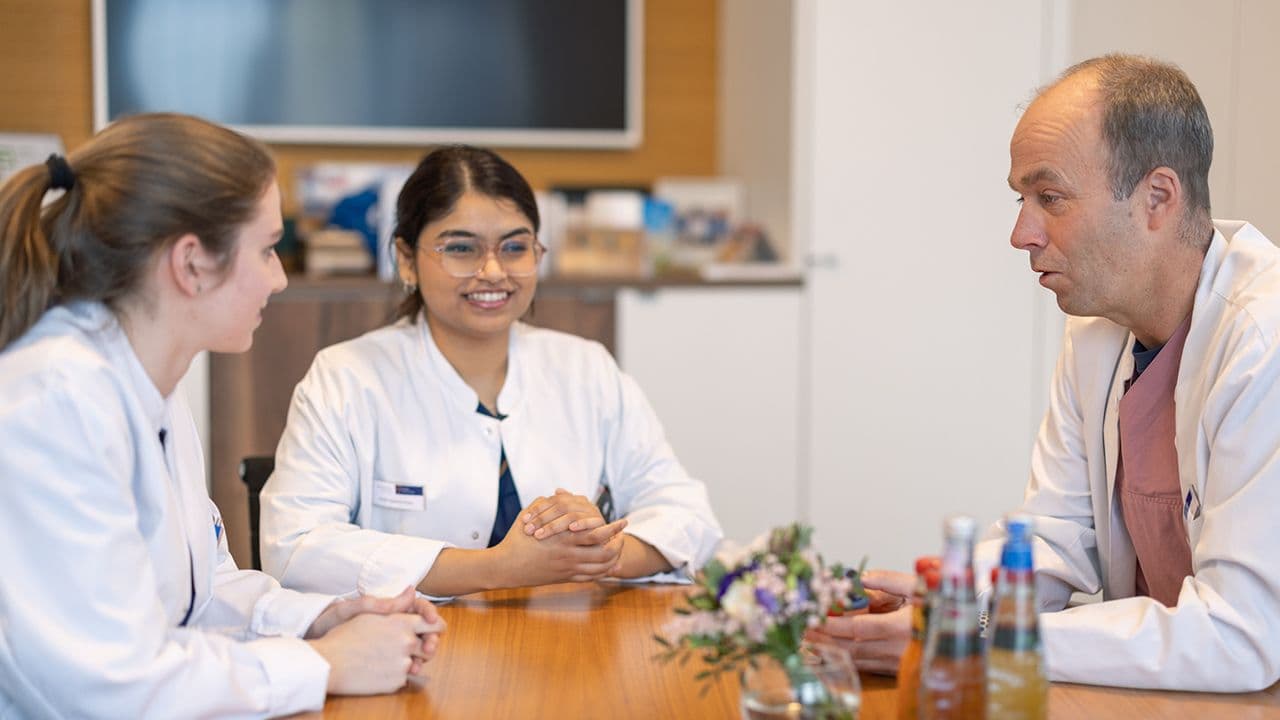
It takes place in approved training institutions — such as hospitals, university teaching hospitals, or medical practices.
During specialist training (as a resident physician/physician in specialist training) in Germany, the annual gross salary (as of 2026) typically depends on the year of training and the applicable collective bargaining agreement.
| Training Year | Annual Gross Salary |
|---|---|
| 1st year | €68,000 – 71,000 |
| 2nd year | €72,000 – 75,000 |
| 3rd year | €75,000 – 78,000 |
| 4th year | €80,000 – 85,000 |
| 5th – 6th year | €86,000 – 89,000 |
With regular night shifts, weekend shifts, and on-call duties, the actual annual gross income is often around €80,000 to more than €100,000, depending on the specialty and the hospital.
After completing specialist training, the base salary of a board-certified specialist working in a hospital generally increases to approximately €90,000–110,000 gross per year, with additional compensation for on-call duties and shift work often resulting in a higher total annual income.
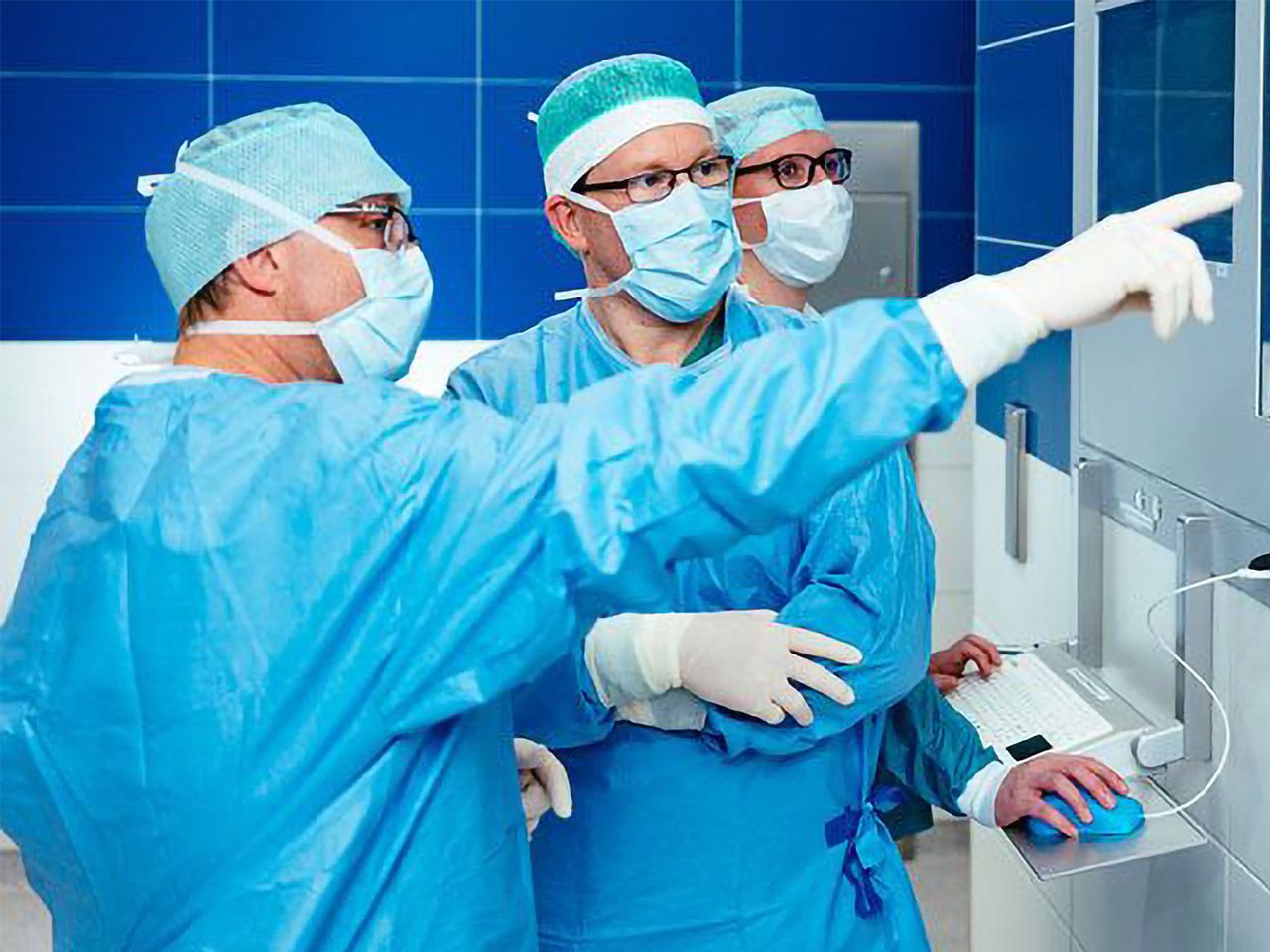
Start your specialist training and medical career in Germany – where education meets opportunity.
UMFST-UMCH supports its graduates every step of the way on their path to becoming board-certified specialists, from their studies through to their successful integration into the German healthcare system, with a wide network of teaching hospitals and practices.
Stay in Germany. Continue developing your career as a doctor in Germany.
Frequently Asked Questions
Everything you need to know about starting your medical residency, degree recognition, and clinical career pathways in Germany and internationally.
Yes. Graduates may apply for an 18-month residence permit to search for employment opportunities in Germany after completing their studies.
Yes. Medical residency training in Germany is generally a paid hospital employment position.
Resident doctors in Germany typically earn approximately €4,500–€6,000 per month, depending on the hospital and specialization.
Yes. Graduates may explore residency and career opportunities in Germany according to applicable licensing and language requirements.
The EU Blue Card is a residence and work permit option for qualified professionals, including doctors working in Germany.
After graduating from UMFST-UMCH, students receive a medical degree that can open pathways toward residency training, clinical practice, research, and healthcare-related careers in Germany and internationally. The typical next steps include: 1. Completing the degree and graduation requirements, 2. Applying for medical licensure/recognition in the country where you wish to practice, 3. Applying for residency training (specialization), 4. Starting professional practice or further academic training. For graduates who want to continue in Germany, the process usually involves obtaining: Degree recognition, Medical licensure (Approbation), German language certification (typically B2/C1 Medical German), Residency placement in a hospital or clinic.
Residency training in Germany is called "Facharztausbildung" (specialist training). During this period, doctors work in hospitals or clinics while training in a chosen medical specialty. Unlike in some other countries, residency in Germany is employment-based. This means that residents are salaried doctors from the start of their training.
Medical German/Fachsprachprüfung: C1 Medical German. Strong communication skills are essential for patient care and professional integration.
No. Germany does not use a centralized residency match system. Graduates apply directly to hospitals and clinics for residency positions. This allows students greater flexibility when applying to different regions and specialties.
Medical graduates can pursue many different career pathways, including: Clinical Careers: Residency training in hospitals, General practice/family medicine, Specialized medical practice, Emergency medicine, Intensive care medicine. Academic & Research Careers: Clinical research, Biomedical sciences, University teaching, PhD and doctoral programs, Public health research. Healthcare Industry Careers: Pharmaceutical companies, Medical technology companies, Healthcare consulting, Clinical trials management, Medical affairs. International Opportunities: Medical practice in other countries, Global health organizations, NGOs and humanitarian medicine, International research collaborations.
Yes. Career opportunities depend on the recognition rules of each country. Graduates should always verify the licensing and recognition requirements of the country where they plan to practice.


